Investment Management: A Complete Guide to Strategies, Services, and Wealth Growth
Published: 10 Nov 2026
Investment management plays an important role in helping individuals, families, businesses, and institutions organize their financial assets and work toward long-term financial goals. Whether someone is saving for retirement, building wealth, managing a business portfolio, or investing for future income, making informed investment decisions can have a significant impact on financial outcomes.
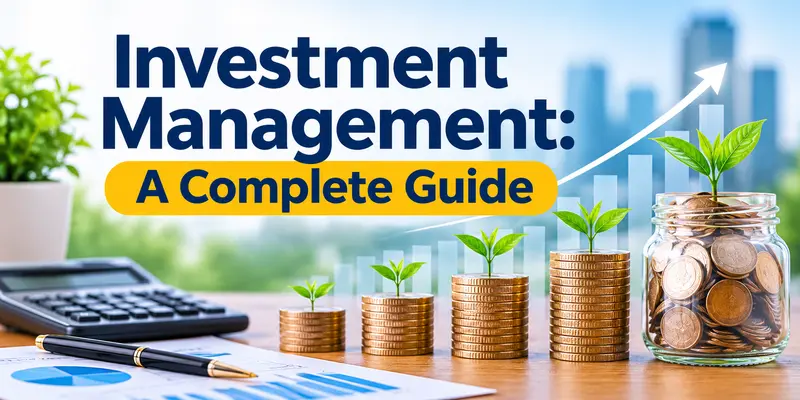
However, successful investing involves more than simply purchasing stocks, bonds, or mutual funds. Investors must consider their financial objectives, risk tolerance, investment timeframe, asset allocation, market conditions, taxes, and ongoing portfolio performance. This is where professional investment management becomes valuable.
Investment management combines research, financial analysis, portfolio construction, risk assessment, and continuous monitoring to help investors make informed decisions. Depending on the investor’s needs, these services may be provided by individual financial professionals, registered investment advisers, asset management companies, brokerage firms, or digital investment platforms.
In the United States, investment management services are available to individual investors, high-net-worth families, retirement plans, corporations, nonprofit organizations, and institutional clients. Some investors prefer managing their portfolios independently, while others hire professionals to handle investment decisions and ongoing portfolio management.
This comprehensive guide explains what investment management is, how it works, its different types, common strategies, benefits, costs, risks, and how to choose an appropriate investment management firm.
What Is Investment Management?
Investment management is the professional process of managing financial assets to help investors achieve their financial objectives. It involves selecting investments, developing portfolio strategies, allocating assets, monitoring market conditions, and adjusting investment holdings when necessary.
The main purpose of investment management is to make informed decisions about how money should be invested and managed over time. These decisions depend on an investor’s financial situation, investment goals, time horizon, and willingness and ability to accept risk.
For example, an individual saving for retirement may need a long-term portfolio that balances growth opportunities with an appropriate level of risk. In contrast, a business managing surplus cash may prioritize liquidity, capital preservation, and short-term financial requirements.
Investment management may include several financial activities:
- Portfolio construction and management.
- Stock and bond selection.
- Asset allocation and diversification.
- Investment research and financial analysis.
- Risk assessment and management.
- Portfolio monitoring and rebalancing.
- Tax-aware investment decisions.
- Retirement and long-term investment planning.
- Performance measurement and reporting.
Professional investment managers use financial research, economic information, market data, and investment models to evaluate opportunities and manage portfolios.
However, investment management does not guarantee profits or protect investors from every market loss. Financial markets can fluctuate, and the value of investments can increase or decrease over time.
For a broader understanding of financial concepts, readers can also explore what finance means and how financial management works.
How Does Investment Management Work?
Investment management generally follows a structured process. The exact approach depends on the investor’s requirements, the services offered by the investment manager, and the type of portfolio being managed.
The process usually begins with understanding the investor’s financial position and objectives. After that, an investment strategy is developed, suitable assets are selected, and the portfolio is monitored over time.
1. Understanding Financial Goals
The first step is identifying why the investor wants to invest.
Some common financial goals include retirement savings, purchasing a home, funding education, generating investment income, building long-term wealth, and preserving capital.
An investment manager considers the amount of money available, the expected investment period, future cash requirements, and the investor’s financial responsibilities.
2. Assessing Risk Tolerance
Every investment involves some degree of risk. Therefore, investment managers evaluate how much financial uncertainty an investor can reasonably accept.
A person with a long investment horizon and higher risk tolerance may be comfortable with a larger allocation to stocks. Someone approaching retirement may prefer a portfolio with more bonds, cash equivalents, or other relatively conservative investments.
Risk tolerance should also be considered alongside risk capacity. An investor may be emotionally comfortable with market fluctuations but may not have enough financial flexibility to recover from a substantial loss.
3. Developing an Investment Strategy
After reviewing the investor’s goals and risk profile, the investment manager develops a suitable strategy.
This may involve selecting stocks, bonds, mutual funds, exchange-traded funds (ETFs), and other investment products. The manager also determines how much capital should be allocated to different asset classes.
4. Selecting Investments
Investment managers evaluate potential investments using financial statements, company performance, economic conditions, valuation measures, industry research, and other relevant information.
The selection process depends on whether the portfolio follows an active, passive, income-focused, growth-oriented, or another investment approach.
5. Monitoring Portfolio Performance
Investment management is an ongoing activity. Managers regularly review portfolio performance, market developments, asset allocation, and changes in the investor’s financial circumstances.
If an investment no longer supports the portfolio’s objectives, the manager may recommend reducing or replacing it.
6. Rebalancing the Portfolio
Over time, different investments can grow or decline at different rates. As a result, the portfolio may move away from its original asset allocation.
Rebalancing involves adjusting investment holdings to bring the portfolio closer to its intended allocation and risk level.
The SEC’s Investor.gov guide to asset allocation and diversification explains how these decisions relate to investment goals, time horizons, and risk tolerance.
What Are the Main Types of Investment Management?
Investment management can be classified according to the assets being managed, the investment approach, and the type of investor receiving the service.
Understanding these categories can help investors identify which management approach is most relevant to their financial needs.
1. Active Investment Management
Active investment management involves selecting and adjusting investments with the objective of achieving a particular investment outcome or outperforming a relevant benchmark.
Active managers conduct research, analyze financial markets, evaluate individual securities, and make portfolio decisions based on their investment strategies.
For example, an active equity manager may study several companies within the technology sector and select stocks believed to have attractive growth prospects or valuations.
Active management can provide flexibility, but it may involve higher research expenses, transaction costs, and management fees. It also does not guarantee better performance than the market.
2. Passive Investment Management
Passive investment management generally aims to track the performance of a market index or another predefined benchmark.
Instead of frequently selecting securities in an attempt to outperform the market, passive managers typically build portfolios that follow an established index.
Index mutual funds and index ETFs are common examples.
This approach may involve lower management costs and less frequent trading. However, passive investments still experience market fluctuations and can lose value when the underlying market declines.
3. Discretionary Investment Management
Discretionary investment management allows an investment manager to make investment decisions within the authority granted by the client agreement.
The manager may purchase, sell, or adjust portfolio holdings without requesting approval for every individual transaction, provided the decisions remain within the agreed investment guidelines.
This arrangement can be useful for investors who prefer professional portfolio management and do not want to approve every transaction.
4. Non-Discretionary Investment Management
In non-discretionary investment management, the manager provides recommendations, research, and investment advice, but the client retains final authority over investment transactions.
The manager may suggest purchasing or selling particular securities, but the client decides whether to proceed.
This arrangement can suit investors who want professional guidance while remaining directly involved in their investment decisions.
5. Institutional Investment Management
Institutional investment management involves managing assets for large organizations rather than individual investors.
Clients may include pension funds, insurance companies, universities, charitable foundations, corporations, and government-related institutions.
Institutional managers often handle substantial portfolios and must consider investment policies, liquidity requirements, regulatory obligations, reporting standards, and long-term financial commitments.
6. Private Wealth and Individual Investment Management
Individual investment management focuses on managing portfolios for individuals and families.
Depending on the provider, services may include investment selection, retirement portfolio management, tax-aware investment strategies, income planning, and coordination with other financial professionals.
Some providers specialize in high-net-worth clients, while others offer investment management to individuals with relatively modest account balances.
7. Digital and Robo-Advisory Investment Management
Robo-advisers use automated technology and investment algorithms to provide portfolio recommendations or ongoing investment management.
Clients generally answer questions about their financial goals, investment timeframe, and risk tolerance. The platform then recommends or manages a portfolio according to its investment methodology.
Digital platforms may offer relatively accessible account minimums and automated portfolio rebalancing. However, investors should review the platform’s fees, investment options, services, and limitations before opening an account.
What Are the Main Investment Management Strategies?
Investment managers use different strategies depending on the client’s financial objectives, market conditions, and portfolio requirements.
No single strategy works equally well for every investor. A suitable approach depends on the relationship between expected returns, investment risk, costs, and the time available to reach financial goals.
1. Growth Investing
Growth investing focuses on companies expected to increase their revenue, earnings, or business value over time.
Growth-oriented portfolios may include companies operating in technology, healthcare, communication, consumer products, and other expanding industries.
These investments can offer substantial growth potential, but they may also experience significant price fluctuations. A company’s future growth is never guaranteed, and investors can lose money if expectations are not achieved.
2. Value Investing
Value investing involves identifying securities that appear undervalued compared with their estimated financial or business value.
Managers may examine earnings, cash flow, assets, debt, and other financial indicators to identify companies whose market prices seem lower than their estimated intrinsic value.
However, a low stock price does not automatically mean that a company is undervalued. Some businesses trade at lower valuations because they face serious financial or operational problems.
3. Income Investing

Income investing focuses on generating regular cash flow from investment holdings.
Common income-producing investments include dividend-paying stocks, bonds, Treasury securities, and certain income-oriented funds.
This strategy may appeal to retirees or investors who need investment income. Nevertheless, dividends can be reduced or suspended, bond prices can fluctuate, and interest payments are subject to the terms and risks of the underlying investment.
4. Diversification Strategy
Diversification involves spreading investments across different assets, companies, industries, or geographic markets.
The purpose is to reduce dependence on a single investment or market segment.
For example, a portfolio holding stocks from several industries and bonds with different characteristics may have a different risk profile from a portfolio invested entirely in one company’s shares.
Diversification cannot eliminate market risk or guarantee a profit, but it can help reduce the impact of certain investment losses.
5. Asset Allocation Strategy
Asset allocation determines how an investment portfolio is divided among asset classes such as stocks, bonds, and cash.
The appropriate allocation depends on financial goals, investment timeframe, risk tolerance, liquidity needs, and personal circumstances.
For example, an investor with a long-term retirement goal may choose a portfolio with a relatively higher stock allocation. Another investor who expects to use the money within a few years may prefer a more conservative allocation.
Asset allocation should be reviewed when financial goals, market conditions, or personal circumstances change.
6. Tactical Asset Allocation
Tactical asset allocation involves temporarily adjusting portfolio allocations in response to market conditions or investment opportunities.
For example, a manager may increase exposure to a particular asset class when market valuations or economic conditions appear favorable.
Although tactical adjustments can provide flexibility, market timing is difficult. Incorrect decisions can increase costs and reduce portfolio performance.
7. Long-Term Buy-and-Hold Strategy
A buy-and-hold strategy involves purchasing investments with the intention of keeping them for an extended period.
This approach is generally based on long-term investment objectives rather than frequent trading in response to short-term market movements.
It may reduce trading activity and associated transaction costs. However, investors must still review their holdings to ensure that they remain appropriate for their financial goals.
What Services Do Investment Management Companies Provide?
Investment management companies provide different services depending on their business model, client requirements, and regulatory responsibilities.
Some specialize in managing investment portfolios, while others offer a wider range of financial services.
Common services include:
Portfolio Management: Investment managers construct and maintain portfolios based on client objectives, risk tolerance, and investment guidelines.
Investment Research: Professionals analyze companies, industries, securities, economic developments, and market trends to support investment decisions.
Asset Allocation: Managers determine how investments should be distributed among different asset classes to meet portfolio objectives.
Risk Management: Investment professionals evaluate market exposure, concentration, liquidity, and other potential risks.
Retirement Portfolio Management: Some firms manage retirement investments and help clients maintain portfolios aligned with their retirement time horizons.
Tax-Aware Investment Management: Managers may consider the tax consequences of investment decisions, including capital gains and the location of different assets across eligible account types.
Performance Reporting: Clients may receive statements and reports explaining portfolio holdings, investment performance, fees, and transactions.
Financial Planning Coordination: Some investment management firms coordinate investment decisions with financial planning, retirement planning, or estate planning professionals.
Investors should remember that the availability of these services varies between providers. They should confirm exactly what is included in an investment management agreement before hiring a firm.
What Are the Benefits of Investment Management?
Professional investment management can provide several advantages, particularly for investors who need assistance with portfolio construction, research, and ongoing investment decisions.
1. Professional Investment Knowledge
Investment managers generally have experience analyzing securities, financial markets, economic developments, and portfolio risks.
Their knowledge may help clients understand investment opportunities and evaluate decisions more systematically.
However, professional experience does not guarantee accurate predictions or positive investment performance.
2. Better Portfolio Organization
Managing multiple investments can become complicated. Investment management provides a structured approach to selecting assets, monitoring holdings, and maintaining portfolio records.
A clear investment strategy can also help investors avoid making unnecessary changes based on short-term market movements.
3. Diversification
Investment managers can help distribute investments across different asset classes, industries, and securities.
This approach may reduce the effect of poor performance from an individual holding or market segment.
4. Time Savings
Researching securities, reviewing financial reports, monitoring portfolios, and evaluating market developments can require considerable time.
Professional management can reduce the amount of investment administration clients need to handle themselves.
5. Risk Awareness
Investment managers can evaluate portfolio concentration, volatility, liquidity, and exposure to different market conditions.
They may also recommend adjustments when the portfolio no longer reflects the client’s financial objectives.
6. Ongoing Portfolio Monitoring
Financial goals and market conditions can change. Regular portfolio reviews help identify when an investment strategy needs adjustment.
7. Investment Discipline
Professional management can encourage a consistent approach to long-term investing.
Instead of reacting emotionally to every market movement, investors can follow an established investment policy and review decisions according to predefined objectives.
What Are the Disadvantages and Risks of Investment Management?
Although professional investment management can be useful, it also has limitations and potential disadvantages.
Investors should understand these factors before entering an advisory agreement.
1. Management Fees
Investment management services are not always inexpensive. Depending on the provider, clients may pay asset-based fees, fixed fees, hourly charges, subscription fees, or other expenses.
These costs can reduce the amount of money available for investment growth.
2. Market Risk
Professional managers cannot control financial markets.
Stock prices, bond values, interest rates, inflation, and economic conditions can change unexpectedly. A professionally managed portfolio can still lose value.
3. Conflicts of Interest
Some investment professionals receive compensation from financial products, transactions, or business relationships.
These arrangements may create conflicts between the provider’s financial interests and the client’s interests.
Investors should ask how their adviser is compensated and whether the firm receives additional payments or incentives.
4. No Guaranteed Returns
Investment managers cannot guarantee profits or eliminate investment losses through research or diversification.
Past performance also does not establish that a particular strategy will perform well in the future.
5. Limited Control
Clients using discretionary management give the manager authority to make certain investment decisions.
This may be convenient, but some investors prefer to maintain greater control over individual transactions.
6. Strategy Underperformance
An active manager may select investments that perform worse than the relevant market benchmark.
Even experienced professionals can make incorrect decisions about companies, sectors, interest rates, or economic developments.
7. Tax and Transaction Costs
Buying and selling investments may create taxable events and transaction expenses. Investors should understand how portfolio changes could affect their overall financial position.
How Much Does Investment Management Cost?
Investment management costs vary depending on the provider, portfolio size, investment strategy, account structure, and services included in the agreement.
In the United States, several fee structures are commonly used.
1. Assets Under Management (AUM) Fees
An AUM fee is calculated as a percentage of the assets managed by the investment adviser.
For example, suppose an adviser charges an annual fee of 1% on a portfolio valued at $200,000.
The annual management fee would be:
$200,000 × 1% = $2,000.
This is an illustrative calculation, not a recommended or standard fee. Actual charges vary between firms, and the billing method may depend on the advisory agreement.
2. Flat Fees
Some investment professionals charge a fixed amount for a defined service.
For example, a client may pay a flat fee for portfolio construction, an investment review, or a specific advisory engagement.
3. Hourly Fees
Some advisers charge clients according to the time spent providing investment advice or related services.
This structure may be suitable for investors who need limited assistance rather than continuous portfolio management.
4. Subscription Fees
Certain digital investment platforms and advisory firms charge recurring monthly or annual fees.
These arrangements may be useful for investors seeking ongoing services at a predictable cost.
5. Transaction-Based Costs
Some investment accounts or products involve commissions, trading charges, or other transaction-related expenses.
Investors should identify all charges rather than focusing only on the headline management fee.
6. Fund Expense Ratios

Mutual funds and ETFs have operating expenses that are reflected in their expense ratios.
These costs are separate from any advisory fee paid to a professional managing the overall portfolio.
The SEC explains different advisory fee arrangements in its Investor Bulletin on subscription-based advisory fees.
Before hiring an investment manager, request a complete explanation of advisory fees, transaction costs, underlying fund expenses, and any additional charges.
What Does an Investment Manager Do?
An investment manager is a professional or organization responsible for managing investment portfolios or making investment decisions within an agreed mandate.
The specific responsibilities depend on the investment management arrangement.
Common responsibilities include:
- Reviewing client investment objectives.
- Evaluating risk tolerance and investment time horizons.
- Conducting financial and market research.
- Selecting suitable securities and investment products.
- Developing portfolio allocation strategies.
- Monitoring investment performance.
- Managing portfolio risks.
- Rebalancing investment holdings.
- Preparing client reports.
- Reviewing changes in financial markets.
- Communicating investment recommendations.
Investment managers may work for banks, asset management companies, investment advisory firms, pension funds, insurance companies, or independent financial organizations.
Some professionals manage portfolios directly, while others provide recommendations and leave final investment decisions to clients.
Investment Management vs. Asset Management: What Is the Difference?
Investment management and asset management are closely related terms, and they are sometimes used interchangeably.
However, their meanings can differ depending on the organization and financial context.
Investment management generally focuses on managing financial investments such as stocks, bonds, mutual funds, ETFs, and other securities.
Asset management can have a broader meaning. In financial services, it often refers to managing investment assets for clients. In business operations, however, asset management can also include managing physical assets such as buildings, machinery, equipment, and infrastructure.
For example, an investment manager may develop a stock and bond portfolio for a retirement account. An asset management company may manage investment funds, institutional portfolios, or other financial assets.
The distinction depends on the services being provided rather than simply the terminology used by a company.
Investment Management vs. Wealth Management
Investment management and wealth management are also related, but they do not necessarily cover the same range of services.
Investment management primarily focuses on managing investment portfolios. Its main activities include selecting securities, allocating assets, monitoring investments, and evaluating performance.
Wealth management generally covers a wider range of financial needs.
Depending on the provider, wealth management services may include:
- Investment management.
- Retirement planning.
- Tax planning coordination.
- Estate planning coordination.
- Insurance considerations.
- Cash-flow planning.
- Philanthropic planning.
- Financial goal management.
For example, an investor may hire an investment manager to oversee a portfolio of stocks and bonds. A wealth manager may coordinate that portfolio with the client’s retirement objectives, tax situation, estate considerations, and broader financial plan.
The appropriate service depends on the complexity of the investor’s financial needs.
How to Choose an Investment Management Firm in the United States
Choosing an investment management firm requires careful research. Investors should compare providers based on their services, fees, experience, investment approach, and regulatory status.
The following steps can help make the selection process more informed.
1. Define Your Investment Objectives
Before contacting an investment manager, identify what you want to achieve.
Your goals may include retirement savings, long-term capital growth, investment income, capital preservation, or managing assets for a family or business.
Clear objectives make it easier to evaluate whether a firm’s services are suitable.
2. Check Registration and Background
In the United States, investment advisers generally register with the SEC or state securities authorities, depending on applicable registration requirements and exemptions.
Investors can use the SEC’s Investor.gov investment professional search to check registration information and review available background details.
For brokerage professionals, FINRA’s BrokerCheck is another useful resource.
Check both the individual professional and the firm rather than relying only on advertising or recommendations.
3. Review the Firm’s Investment Philosophy
Ask how the firm constructs portfolios and makes investment decisions.
Some firms focus on passive investing, while others use active management, income strategies, or customized portfolio approaches.
The investment philosophy should be understandable and consistent with your objectives and risk tolerance.
4. Understand All Fees
Ask for a complete breakdown of advisory fees, transaction costs, fund expenses, and other potential charges.
A low headline fee does not necessarily mean that the total cost of managing the portfolio will be low.
5. Understand the Adviser’s Duties and Conflicts
Ask whether the professional is acting as an investment adviser, broker, or in another capacity for the services being provided.
Investment advisers owe fiduciary duties to their clients under applicable law. Broker-dealers are subject to different standards, including Regulation Best Interest when making recommendations to retail customers.
Ask how the professional is compensated and whether any conflicts of interest could affect recommendations.
6. Review Form ADV and Form CRS
Investment advisers generally provide important information about their services, business practices, fees, and conflicts through disclosure documents.
Review the firm’s Form ADV brochure and, when applicable, Form CRS.
These documents can help you understand the relationship before signing an agreement.
7. Evaluate Communication and Reporting
Ask how often the firm provides portfolio statements and performance reports.
You should understand who will manage your account, how frequently you can contact the professional, and how investment decisions will be communicated.
8. Compare More Than One Provider
Do not make a decision based entirely on a single meeting or sales presentation.
Compare multiple firms, ask similar questions, and review their services and fees before making a commitment.
For additional guidance, the SEC provides a useful resource on investment advisers and selecting an adviser.
What Is the Role of Technology in Modern Investment Management?
Technology has changed how investment managers research markets, construct portfolios, communicate with clients, and monitor investments.
Modern investment management firms increasingly use digital platforms, financial software, data analysis, and automated tools to support their operations.
Automated Portfolio Management
Digital platforms can automatically allocate investments, monitor portfolios, and rebalance holdings according to predefined rules.
Financial Data Analysis
Investment professionals use financial databases and analytical software to review company performance, market valuations, economic indicators, and portfolio exposure.
Artificial Intelligence and Machine Learning
Some firms use artificial intelligence and machine learning to analyze large datasets, identify patterns, and support research processes.
However, these technologies do not eliminate uncertainty. Their results depend on the quality of data, assumptions, and models used.
Digital Client Reporting
Online dashboards allow investors to review account balances, holdings, transactions, performance, and other portfolio information.
Cybersecurity and Data Protection
Because investment management involves sensitive financial information, firms must take cybersecurity seriously. Investors should ask how their provider protects account information, manages access, and responds to security incidents.
Technology can improve efficiency, but human oversight, clear investment policies, and responsible decision-making remain important.
What Are the US Regulations Governing Investment Management?
Investment management in the United States operates within a regulatory framework designed to protect investors and promote fair financial markets.
The Securities and Exchange Commission (SEC) plays a major role in regulating investment advisers, investment companies, securities markets, and other financial activities.
The Investment Advisers Act of 1940 is an important federal law governing investment advisers subject to its provisions.
Depending on the firm and its activities, other requirements may also apply, including state securities laws, broker-dealer regulations, investment company rules, and retirement-plan requirements.
Investors should understand several important points.
Investment Adviser Registration
Investment advisers generally register with the SEC or relevant state securities authorities unless an exemption applies.
Registration provides important regulatory information, but it should not be interpreted as a government endorsement or guarantee of investment performance.
Fiduciary Duty
Investment advisers owe fiduciary duties to their clients under applicable law. These duties include obligations to act in the client’s best interest and address conflicts of interest.
Clients should understand the adviser’s responsibilities and review relevant disclosure documents.
Form ADV
Form ADV provides important information about an investment adviser’s business, ownership, services, fees, conflicts, and disciplinary information.
Investors can review relevant disclosures before entering an advisory relationship.
Form CRS
Form CRS is a relationship summary designed to help retail investors understand the services, fees, conflicts, and disciplinary history of certain registered investment advisers and broker-dealers.
Investor Protection
Investors should verify professional credentials, review regulatory disclosures, and understand the investment products being recommended.
The SEC’s Investor.gov website provides educational information and tools that can help individuals understand investment professionals and financial products.
Common Mistakes to Avoid in Investment Management
Even investors who understand financial markets can make decisions that negatively affect their portfolios.
Avoiding common mistakes can help create a more disciplined investment process.
Investing Without Clear Goals: Buying investments without knowing why you are investing can lead to inconsistent decisions and unsuitable risk exposure.
Ignoring Risk Tolerance: A portfolio that involves more risk than an investor can reasonably accept may lead to emotional decisions during market declines.
Overconcentration: Investing too much money in one company, industry, or asset class can increase exposure to specific risks.
Frequent Trading: Excessive buying and selling can increase transaction costs, taxes, and the possibility of poor timing.
Ignoring Fees: Even relatively small recurring expenses can affect long-term portfolio value.
Chasing Past Performance: An investment that performed well in previous years may not continue to outperform.
Failing to Review Investments: Financial circumstances and investment goals change. A portfolio should be reviewed periodically to determine whether it remains appropriate.
Following Unverified Financial Advice: Investors should verify information and professional credentials before acting on recommendations.
A disciplined investment process focuses on financial objectives, diversification, costs, risk management, and regular evaluation rather than short-term excitement.
Frequently Asked Questions About Investment Management
1. What is investment management in simple words?
Investment management is the process of selecting, organizing, monitoring, and adjusting investments to help individuals or organizations work toward financial goals. It may involve managing stocks, bonds, mutual funds, ETFs, and other financial assets.
2. What is the main purpose of investment management?
The main purpose is to manage investment assets according to an investor’s financial objectives, risk tolerance, and time horizon. It involves making informed investment decisions and monitoring portfolio performance over time.
3. What are the four main types of investment management?
Common approaches include active investment management, passive investment management, discretionary investment management, and non-discretionary investment management. These approaches differ in how investments are selected and who makes final portfolio decisions.
4. What does an investment manager do?
An investment manager researches financial markets, selects investments, develops portfolio strategies, evaluates risks, monitors performance, and makes portfolio adjustments according to the agreed investment mandate.
5. Is investment management the same as wealth management?
No. Investment management focuses mainly on managing investment portfolios. Wealth management generally covers a broader range of financial services, which may include retirement planning, tax planning coordination, estate planning coordination, and investment management.
6. How do investment management companies make money?
Investment management companies may earn revenue through asset-based management fees, fixed fees, subscription charges, hourly advisory fees, or other permitted compensation arrangements. Their revenue structure depends on their business model and client agreements.
7. Is professional investment management worth it?
It depends on an investor’s financial situation, investment knowledge, time availability, portfolio complexity, and the cost of professional services. Investors who need ongoing advice or portfolio management may find professional assistance valuable, while others may prefer lower-cost self-directed investing.
8. What is an investment management fee?
An investment management fee is the amount charged by a professional or firm for managing investments or providing agreed advisory services. It may be calculated as a percentage of assets, a fixed amount, an hourly charge, or a recurring subscription.
9. Can investment management reduce financial risk?
Investment management can help identify and manage certain portfolio risks through diversification, asset allocation, monitoring, and risk assessment. However, it cannot eliminate all investment risks or guarantee that a portfolio will avoid losses.
10. What is the difference between active and passive investment management?
Active investment management involves selecting and adjusting investments based on research and investment judgments. Passive investment management generally aims to track an index or predefined benchmark rather than frequently attempting to outperform it.
11. How do I find a registered investment adviser in the United States?
You can use the SEC’s Investor.gov investment professional search to review available registration information and background details. You should also review the adviser’s disclosures, fees, services, and potential conflicts of interest.
12. What is the minimum amount required for investment management?
There is no single minimum amount for every investment management provider. Some firms require substantial account balances, while digital investment platforms and other advisers may accept smaller accounts. Minimums depend on the provider and service.
13. What is portfolio rebalancing?
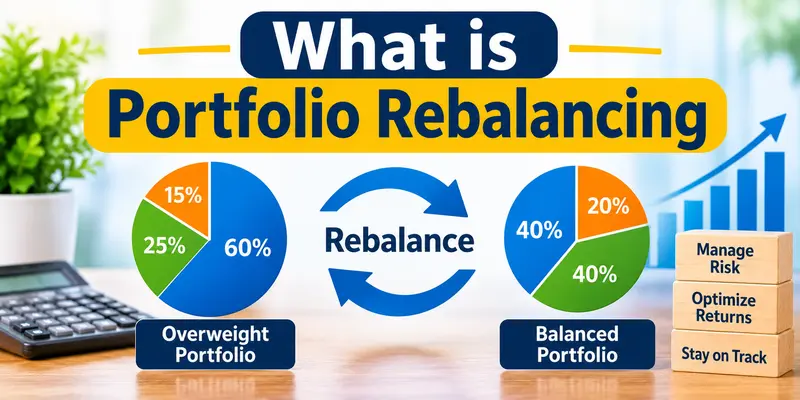
Portfolio rebalancing involves adjusting investments to bring a portfolio closer to its intended asset allocation. It may involve selling some holdings or purchasing others when market movements change the portfolio’s original proportions.
14. Can investment managers guarantee returns?
No. Investment managers cannot guarantee investment profits or eliminate market losses. All investments involve risk, and future performance is uncertain.
Final Thoughts
Investment management is an important part of building and maintaining a well-organized investment portfolio. It combines financial research, asset allocation, investment selection, risk assessment, and ongoing monitoring to help investors make informed financial decisions.
For individuals, professional investment management may support retirement planning, long-term wealth accumulation, and investment income objectives. Businesses and institutions may use these services to manage financial assets, meet future obligations, and maintain appropriate portfolio strategies.
However, selecting an investment manager requires careful consideration. Investors should review professional registration, understand advisory fees, evaluate investment strategies, and identify potential conflicts of interest before entering an agreement.
Most importantly, successful investment management is not about chasing the highest possible return. It is about choosing an appropriate investment approach, understanding potential losses, controlling unnecessary costs, and maintaining a strategy that reflects financial goals and personal circumstances.
With a clear investment plan, suitable diversification, regular portfolio reviews, and informed professional guidance when needed, investors can approach financial markets with greater discipline and a better understanding of the decisions involved.
Disclaimer: This article is for educational and informational purposes only. It does not provide individualized investment, tax, or legal advice, and it is not a recommendation to buy or sell any security. Investment decisions should be based on individual financial circumstances, objectives, and risk tolerance. Consider consulting a qualified financial professional before making significant investment decisions.






- Be Respectful
- Stay Relevant
- Stay Positive
- True Feedback
- Encourage Discussion
- Avoid Spamming
- No Fake News
- Don't Copy-Paste
- No Personal Attacks
- Be Respectful
- Stay Relevant
- Stay Positive
- True Feedback
- Encourage Discussion
- Avoid Spamming
- No Fake News
- Don't Copy-Paste
- No Personal Attacks
