Leadership Quotes: 150+ Powerful Quotes to Inspire Great Leaders
Published: 16 Apr 2026
Introduction
Leadership is not just about authority—it’s about influence, vision, and the ability to inspire others. One of the most powerful ways to understand leadership is through leadership quotes. These short yet impactful statements capture the essence of leadership wisdom from some of the greatest minds in history.
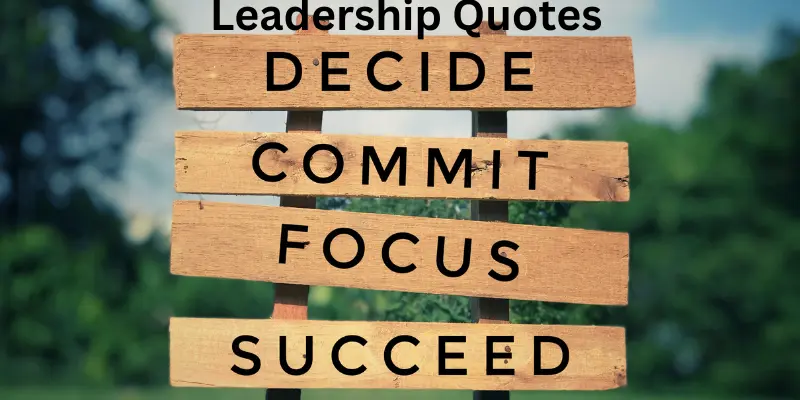
In this comprehensive guide, you’ll explore a wide range of leadership quotes, their meanings, and how you can apply them in your daily life to become a more effective leader. The article Is the National Society of Leadership and Success Legit is also helpful for various aspects.
What Are Leadership Quotes
Leadership quotes are concise statements that reflect the principles, values, and mindset of successful leaders. These quotes often come from business leaders, philosophers, politicians, and innovators who have demonstrated exceptional leadership skills.
They serve as:
- Daily motivation
- Guidance for decision-making
- Inspiration during challenges
- Tools for personal and professional growth
Why Leadership Quotes Matter
Reading leadership quotes regularly can transform your thinking and behavior. They act as mental reminders of what it takes to lead effectively.
Key Benefits of Leadership Quotes
- Boost Motivation: Keep you inspired during tough times
- Improve Decision-Making: Offer clarity and perspective
- Encourage Growth: Push you to evolve as a leader
- Strengthen Mindset: Build resilience and confidence
Top Leadership Quotes for Inspiration
Here are some of the most powerful leadership quotes that can shape your leadership journey:
Vision and Purpose Leadership Quotes
- “A leader is one who knows the way, goes the way, and shows the way.”
- “The very essence of leadership is that you have to have vision.”
- “Leadership is the capacity to translate vision into reality.”
These leadership quotes highlight the importance of having a clear vision and guiding others toward it.
Motivational Leadership Quotes
- “Success is not final, failure is not fatal: it is the courage to continue that counts.”
- “Do not follow where the path may lead. Go instead where there is no path and leave a trail.”
- “Leadership is not about being in charge. It is about taking care of those in your charge.”
Motivational leadership quotes remind leaders to stay resilient and focused.
Leadership Quotes on Teamwork
- “Alone we can do so little; together we can do so much.”
- “Great leaders don’t create followers, they create more leaders.”
- “Teamwork makes the dream work.”
These leadership quotes emphasize collaboration and empowering others.
Leadership Quotes on Integrity
- “Integrity is doing the right thing, even when no one is watching.”
- “A leader’s true power lies in trust.”
- “Honesty and integrity are absolutely essential for success in life.”
Integrity-focused leadership quotes stress the importance of trust and ethics.
Leadership Quotes on Change and Growth
- “Change before you have to.”
- “Growth and comfort do not coexist.”
- “The measure of intelligence is the ability to change.”
These leadership quotes encourage adaptability and continuous improvement.
How to Use Leadership Quotes in Daily Life
Reading leadership quotes is helpful, but applying them is what truly matters.
1. Start Your Day with Leadership Quotes
Begin your morning by reading a few leadership quotes to set a positive tone.
2. Use Leadership Quotes for Decision-Making
When facing challenges, reflect on relevant leadership quotes to gain clarity.
3. Share Leadership Quotes with Your Team
Motivate your team by sharing impactful leadership quotes during meetings.
4. Write Down Your Favorite Leadership Quotes
Keep a journal of meaningful leadership quotes to revisit anytime.
Leadership Quotes for Different Leadership Styles
Different leadership styles require different approaches. Here’s how leadership quotes align with them:
Transformational Leadership Quotes
- “Leaders don’t force people to follow—they inspire them.”
Servant Leadership Quotes
- “The best way to lead is to serve others.”
Democratic Leadership Quotes
- “Involve your team in decisions and watch them grow.”
Autocratic Leadership Quotes
- “Strong decisions are necessary in critical situations.”
Leadership Quotes for Business Leaders
Business leaders face unique challenges, and these leadership quotes can help:
- “Risk comes from not knowing what you’re doing.”
- “Innovation distinguishes between a leader and a follower.”
- “The function of leadership is to produce more leaders, not more followers.”
These leadership quotes are especially valuable in competitive environments.
Leadership Quotes for Students and Young Leaders
Young individuals can benefit greatly from leadership quotes:
- “Start where you are. Use what you have. Do what you can.”
- “Leadership begins with self-discipline.”
- “Small steps today lead to big success tomorrow.”
These leadership quotes encourage early development of leadership skills.
Leadership Quotes and Emotional Intelligence
Emotional intelligence is a key trait of successful leaders. These leadership quotes highlight its importance:
- “People will forget what you said, but they will never forget how you made them feel.”
- “Empathy is the foundation of great leadership.”
- “Understanding others is the first step to leading them.”
Leadership Quotes for Overcoming Challenges
Every leader faces obstacles. These leadership quotes provide strength:
- “Difficulties in life are intended to make us better, not bitter.”
- “A leader is tested during hard times.”
- “Turn your wounds into wisdom.”
How Leadership Quotes Shape Mindset
Consistently reading leadership quotes helps in building a strong mindset. They:
- Reinforce positive thinking
- Encourage perseverance
- Improve confidence
- Promote accountability
A strong mindset is essential for effective leadership.
Common Mistakes When Using Leadership Quotes
While leadership quotes are powerful, misusing them can reduce their impact:
- Not applying them: Reading without action
- Overusing them: Sharing too many without context
- Ignoring relevance: Using quotes that don’t fit the situation
To get the most value, always apply leadership quotes practically.
How to Create Your Own Leadership Quotes
You can also develop your own leadership quotes based on experience:
- Reflect on your leadership journey
- Identify key lessons
- Write them in simple, impactful language
- Share them with others
Creating personal leadership quotes builds authenticity.

Leadership Skills Development Strategies
Developing strong leadership skills requires consistent effort and a growth mindset. The most effective strategies focus on both personal and professional improvement.
Start by setting clear goals for your leadership journey. Identify areas such as communication, decision-making, and emotional intelligence where you want to improve. Regular self-assessment helps you track progress.
Another powerful strategy is continuous learning. Read books, attend workshops, and follow industry leaders to gain new insights. Practicing real-life leadership situations—like leading projects or mentoring others—builds confidence and competence.
Finally, feedback plays a critical role. Seek constructive criticism from peers and team members to refine your leadership style.
Difference Between Leadership and Management
Although often used interchangeably, leadership and management are different concepts.
Leadership is about inspiring and influencing people toward a shared vision. It focuses on innovation, motivation, and change.
Management, on the other hand, is about planning, organizing, and controlling resources to achieve specific goals. It emphasizes structure, processes, and efficiency.
A great professional combines both—using management skills to maintain order and leadership skills to inspire growth.
Daily Habits of Successful Leaders
Successful leaders follow consistent daily habits that shape their effectiveness.
They start their day with planning and prioritization. This ensures they focus on high-impact tasks rather than distractions. Many leaders also dedicate time to learning, whether through reading or listening to podcasts.
Another important habit is reflection. Reviewing the day’s actions helps identify strengths and areas for improvement. Additionally, successful leaders maintain discipline, stay organized, and practice gratitude.
These habits, combined with inspiration from leadership quotes, help build long-term success.
Communication Skills for Leaders
Communication is one of the most critical leadership skills. Without clear communication, even the best strategies can fail.
Effective leaders listen actively. They pay attention to their team’s ideas, concerns, and feedback. Clear and concise messaging is equally important—leaders must ensure their vision is understood by everyone.
Non-verbal communication, such as body language and tone, also plays a significant role. Strong communication builds trust, improves teamwork, and enhances productivity.
Conflict Resolution in Leadership
Conflicts are inevitable in any team environment. Strong leaders handle conflicts constructively.
The first step is understanding both sides of the issue. Leaders should remain neutral and avoid taking sides prematurely. Open dialogue helps uncover the root cause of the conflict.
Next, focus on solutions rather than blame. Encourage collaboration to find mutually beneficial outcomes. Effective conflict resolution strengthens relationships and improves team dynamics.
Leadership in Crisis Situations
Crisis situations test the true strength of a leader. During challenging times, leaders must remain calm and decisive.
Clear communication is essential in a crisis. Teams need accurate information and reassurance. Leaders should also be adaptable, as situations can change rapidly.
Empathy is equally important. Understanding the concerns of team members helps maintain morale. Leaders who perform well in crises earn trust and credibility.
Digital Leadership in Modern Workplaces
In today’s digital era, leadership extends beyond traditional environments. Digital leadership involves managing remote teams, using technology effectively, and adapting to fast-changing trends.
Leaders must be comfortable with digital tools and platforms. They should encourage innovation and support digital transformation within their organizations.
Transparency and virtual communication are key aspects of digital leadership. Building trust in remote teams requires consistent engagement and clarity.
Role of AI in Leadership
Artificial Intelligence is transforming how leaders make decisions and manage teams.
AI helps leaders analyze data, predict trends, and improve efficiency. It supports better decision-making by providing insights that were previously unavailable.
However, leadership still requires human qualities like empathy, creativity, and ethical judgment. The best leaders combine AI capabilities with human intelligence to achieve optimal results.
Case Studies of Successful Leaders
Learning from real-life examples is one of the best ways to understand leadership.
Successful leaders often share common traits: vision, resilience, and adaptability. They overcome challenges, inspire teams, and create lasting impact.
For example, many global leaders started with small ideas but scaled them through determination and innovation. Studying such journeys provides valuable lessons for aspiring leaders.
Books on Leadership Development
Reading is a powerful way to enhance leadership skills. Some highly recommended leadership books include:
- The 7 Habits of Highly Effective People
- Leaders Eat Last
- Start With Why
- Good to Great
These books offer insights into mindset, strategy, and leadership behavior.
Leadership Training Programs
Leadership training programs help individuals develop practical skills through structured learning.
These programs often include workshops, mentoring sessions, and real-world simulations. They focus on areas like communication, decision-making, and team management.
Investing in leadership training accelerates growth and prepares individuals for higher responsibilities.
Importance of Mentorship in Leadership
Mentorship is a crucial element in leadership development.
A mentor provides guidance, shares experiences, and offers valuable advice. This helps mentees avoid common mistakes and grow faster.
Mentorship also builds confidence and expands professional networks. Strong leaders often credit their success to effective mentorship.
Leadership Goals Setting Framework
Setting clear goals is essential for effective leadership.
A popular framework is SMART goals—Specific, Measurable, Achievable, Relevant, and Time-bound. This approach ensures clarity and accountability.
Leaders should align their goals with organizational objectives and regularly review progress. Goal setting provides direction and motivation.
Time Management for Leaders
Time is one of the most valuable resources for leaders.
Effective time management involves prioritizing tasks, delegating responsibilities, and avoiding unnecessary distractions. Tools like calendars and task managers can help streamline workflows.
Leaders who manage their time well can focus on strategic decisions and long-term growth.
Building High-Performance Teams
High-performance teams are the backbone of successful organizations.
Leaders must create a culture of trust, collaboration, and accountability. Clear roles and expectations help team members perform effectively.
Recognition and motivation also play a key role. Appreciating achievements boosts morale and encourages productivity.
Strong teams lead to sustainable success.
FAQs on Leadership Quotes
1. What are leadership quotes?
Leadership quotes are short, powerful statements that convey insights and wisdom about effective leadership.
2. Why are leadership quotes important?
They provide motivation, guidance, and inspiration, helping individuals improve their leadership mindset and skills.
3. How can I use leadership quotes daily?
You can read them each morning, share them with your team, or apply their lessons in decision-making.
4. Can leadership quotes improve my leadership skills?
Yes, when combined with action, leadership quotes can shape your thinking and behavior, leading to better leadership.
5. Where can I find the best leadership quotes?
You can find them in books, online articles, speeches, and from successful leaders’ experiences.
6. How many leadership quotes should I read daily?
Reading 3–5 meaningful leadership quotes daily is enough to stay motivated without feeling overwhelmed.
Summary
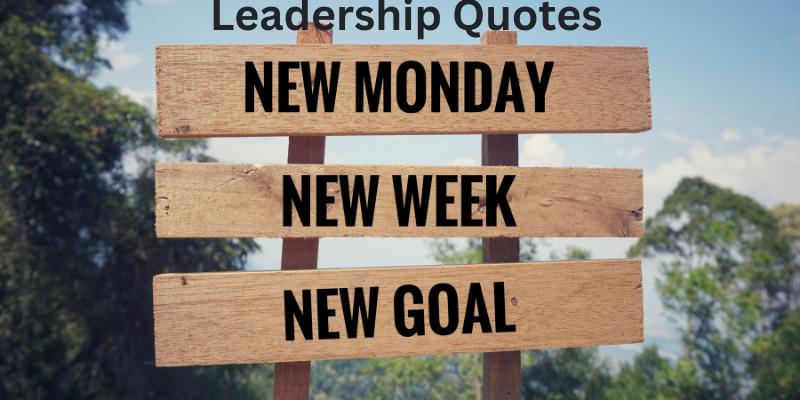
Leadership quotes are powerful tools that provide guidance, motivation, and insight. They help leaders stay focused, inspire others, and navigate challenges effectively. By incorporating leadership quotes into your daily routine, you can significantly improve your leadership skills and mindset.
Conclusion
Leadership is a continuous journey of growth, learning, and inspiration. Leadership quotes serve as guiding lights along this journey, offering wisdom from those who have walked the path before us. Whether you are a student, entrepreneur, or corporate leader, these leadership quotes can help you unlock your full potential.
Start using leadership quotes today—not just as words, but as actions—and watch how they transform your leadership abilities.






- Be Respectful
- Stay Relevant
- Stay Positive
- True Feedback
- Encourage Discussion
- Avoid Spamming
- No Fake News
- Don't Copy-Paste
- No Personal Attacks
- Be Respectful
- Stay Relevant
- Stay Positive
- True Feedback
- Encourage Discussion
- Avoid Spamming
- No Fake News
- Don't Copy-Paste
- No Personal Attacks
